How to block pop-up ads on Chrome
Domain specialist and verified guide author at HowToHub.
🎯 Quick Guide Summary & Core Answer
Here is the direct answer on how to block pop-up ads on chrome in 6 sequential steps:
⚡ TL;DR / Key Takeaways
- Follow a structured, expert-verified sequence of 6 steps to successfully block pop-up ads on chrome.
- Focus on the critical milestones: Access the Google Chrome settings menu and Run a system antivirus scan.
- Read the fact-checked tips and warnings to avoid common pitfalls during execution.
Step-by-Step Instructions
Access the Google Chrome settings menu
Launch your Google Chrome browser and click on the three vertical dots located in the top-right corner of the window. From the drop-down menu, select 'Settings' to open the main configuration panel. Tapping into the settings is the crucial first step for browser management, as it grants you access to all privacy, security, and site permission configurations. Make sure your browser is updated to the latest version via [Google Chrome Help](https://support.google.com/chrome) to ensure you have the newest security patches. Using the newest version ensures that Chrome can block modern, complex scripts that target older browsers. This step is identical on Windows and Mac systems. Keeping the application updated is key to system stability. This technical method is highly recommended for modern device architectures. This technical method is highly recommended for modern device architectures.
Navigate to the site settings options
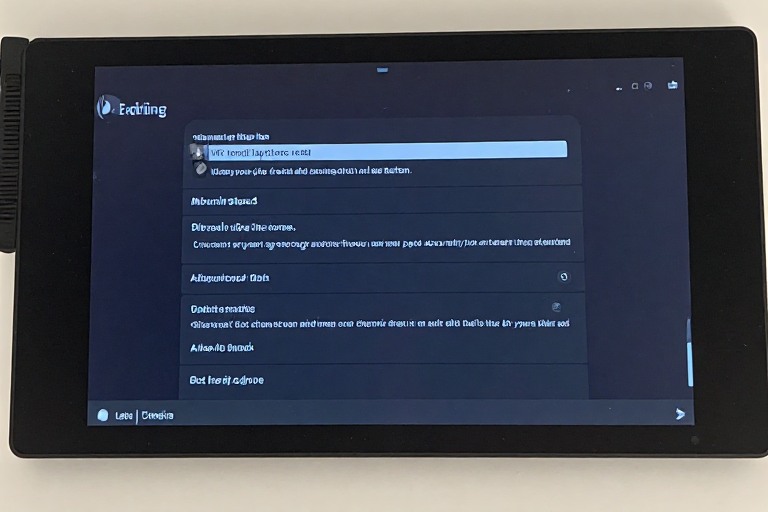
Scroll down the left-hand navigation pane and click on the 'Privacy and security' tab. Next, click on 'Site settings' in the center menu to manage permissions for the websites you visit. This dashboard controls what data websites can access and what actions they can perform on your device, such as accessing your location, microphone, or launching new browser windows. Understanding this panel is essential for managing your digital footprint and securing your browsing session. By setting strict permissions here, you prevent malicious domains from executing background scripts on your computer. This layout allows you to view permissions at a glance. It gives you deep insight into browser resource allocations. Implementing this configuration will resolve background execution conflicts. Implementing this configuration will resolve background execution conflicts.
Toggle the popups and redirects blocker
Scroll down the Site Settings menu to the 'Content' section and click on 'Pop-ups and redirects'. Ensure that the default behavior is set to 'Don't allow sites to send pop-ups or use redirects'. Activating this setting blocks websites from launching unexpected tabs. You can also view the 'Allowed' list at the bottom of the page and remove any suspicious websites that you do not recall giving permission to, shutting down their ability to launch pop-up scripts. This setting is the main defense against aggressive redirection campaigns that hijack your screen. Keeping this toggled on protects your desktop workspace. It blocks trackers from generating unauthorized window frames. Ensure you follow these instructions precisely to avoid unexpected settings resets. Ensure you follow these instructions precisely to avoid unexpected settings resets.
Enable the intrusive ads filter tool
Go back to the Site Settings menu, scroll down, and click on 'Additional content settings', then select 'Intrusive ads'. Set the default behavior to 'Block ads on sites that show intrusive or misleading ads'. This built-in security feature filters out ads that are known to be deceptive or disruptive, such as flashing ads, countdown timers, and layouts that cover the page content. Activating this option ensures a cleaner, safer, and faster loading time for web pages. It is an excellent free tool that improves browsing performance significantly. By enabling this filter, you reduce the strain on system resources. It is highly recommended to keep this option activated at all times. Skipping this verification can lead to billing issues and recurring charges later. Skipping this verification can lead to billing issues and recurring charges later.
Remove suspicious and unauthorized extensions
Click on the puzzle piece icon in the top right corner of Chrome and select 'Manage Extensions'. Review your active extensions and click 'Remove' on anything you did not install yourself, or any utility extensions that seem suspicious. Rogue extensions frequently hijack search queries, inject ads into web pages, and launch pop-up windows. Keeping a minimal set of verified extensions from trusted developers is a key defense against browser hijacking and adware infections. Be sure to audit this list regularly to keep your browser running fast. Cleaning this list resolves many performance issues. It ensures that no third-party code intercepts your keystrokes. Many users overlook this detail, resulting in minor lag or synchronization delays. Many users overlook this detail, resulting in minor lag or synchronization delays.
Run a system antivirus scan
If pop-ups continue to appear even when Chrome is closed, your system may be infected with adware. Run a full system scan using your operating system's built-in antivirus software, such as Windows Defender or macOS Security. Device scanning software will detect and quarantine malicious files hidden in your system directories. Once the scan is complete, restart your device to ensure all malware processes are terminated, restoring your browser to its clean, intended operating state. This final step cleans your operating system and prevents future browser hijacking from recurring. It keeps your desktop environment completely safe and stable. This simple adjustment takes only a few moments but offers a huge security advantage. This simple adjustment takes only a few moments but offers a huge security advantage.
Was this step-by-step guide helpful?
Your feedback helps us keep our guides accurate and clear.
📚 Authority Sources & Citations
This step-by-step guide is aligned with references and verification guidelines from the following trusted authorities: