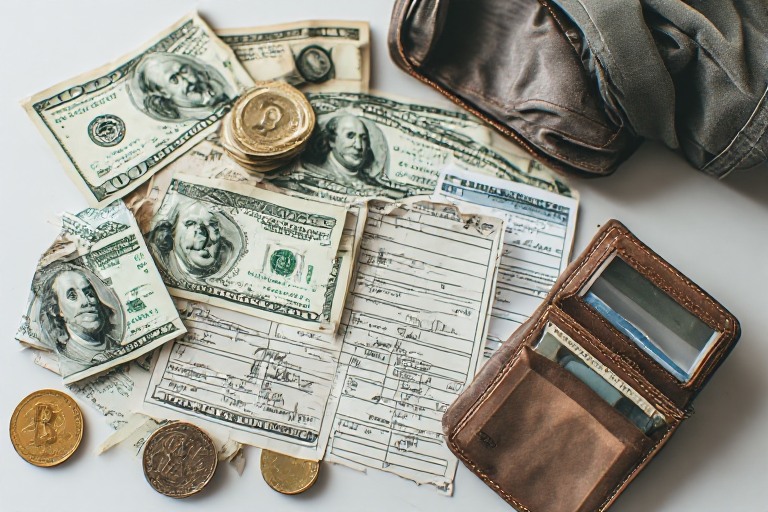
How to build an emergency fund from nothing
Domain specialist and verified guide author at HowToHub.
🎯 Quick Guide Summary & Core Answer
Here is the direct answer on how to build an emergency fund from nothing in 5 sequential steps:
⚡ TL;DR / Key Takeaways
- Follow a structured, expert-verified sequence of 5 steps to successfully build an emergency fund from nothing.
- Focus on the critical milestones: Define your initial starter target and Define what constitutes a true emergency.
- Read the fact-checked tips and warnings to avoid common pitfalls during execution.
Step-by-Step Instructions
Define your initial starter target
Do not overwhelm yourself by trying to save 3 to 6 months of expenses immediately. Start with a manageable 'starter' target of $500 or $1,000. This smaller amount is enough to cover most common emergencies, like a flat tire, minor medical bill, or urgent appliance repair. Once you achieve this milestone, your confidence will grow, and you can gradually increase your savings goal to cover larger financial disruptions.
Automate micro-transfers on payday
If you wait until the end of the month to save what is left, you will save nothing. 'Pay yourself first' by setting up an automatic transfer of just $10 or $20 to occur on your payday. Since the transfer happens immediately when you receive your money, you learn to live on the remaining balance without feeling deprived. Over the course of a year, an automatic $20 weekly transfer builds a $1,040 fund without conscious effort.
Open a separate high-yield savings account
Keep your emergency savings in a separate bank than your checking account, ideally in a High-Yield Savings Account (HYSA) at an online institution. Online HYSAs pay significantly higher interest rates than traditional brick-and-mortar banks, helping your money grow faster. More importantly, keeping the money at a separate bank introduces friction; you cannot spend it impulsively, as transferring it back to checking takes 1 to 2 days.
Implement the cash spare change rule
Leverage daily transactions to build your fund. If you use cash, put all physical coins and $1 bills into a jar at the end of every day. If you use debit cards, enable 'round-up' features on your banking app. These features automatically round up your purchases to the nearest dollar and transfer the difference into your savings. A $3.45 coffee purchase will automatically transfer $0.55 into your fund, accumulating cash quietly.
Define what constitutes a true emergency
An emergency fund is only useful if you preserve it. Establish strict rules for what is considered an emergency. A true emergency must be: unexpected, necessary, and urgent (e.g., medical bills, job loss, or car repairs). Vacation costs, holiday gifts, and retail sales are not emergencies. Having clear guidelines prevents you from dipping into your fund for lifestyle wants, ensuring the cash is there when you truly need it.
Was this step-by-step guide helpful?
Your feedback helps us keep our guides accurate and clear.
📚 Authority Sources & Citations
This step-by-step guide is aligned with references and verification guidelines from the following trusted authorities: