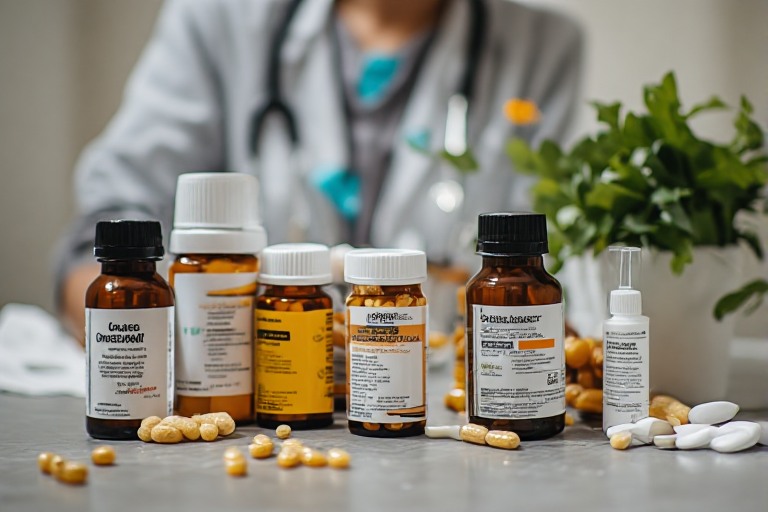
How to reduce inflammation in the body naturally
Domain specialist and verified guide author at HowToHub.
🎯 Quick Guide Summary & Core Answer
Here is the direct answer on how to reduce inflammation in the body naturally in 7 sequential steps:
⚡ TL;DR / Key Takeaways
- Follow a structured, expert-verified sequence of 7 steps to successfully reduce inflammation in the body naturally.
- Focus on the critical milestones: Eat like the Mediterranean—no deprivation required and Hydrate like you mean it.
- Read the fact-checked tips and warnings to avoid common pitfalls during execution.
Step-by-Step Instructions
Eat like the Mediterranean—no deprivation required
Forget the idea that anti-inflammatory eating means chewing on kale like a rabbit. The Mediterranean diet isn’t a diet; it’s just how people in Greece and Italy have eaten for decades—before ‘wellness’ became a $4 trillion industry. The core? Whole foods, lots of plants, and healthy fats. Think: salmon drizzled with olive oil, berries bursting with color, and greens that aren’t drowned in dressing. Here’s the kicker: these foods don’t just *sound* healthy—they’re packed with polyphenols and omega-3s that literally tell your immune system to chill out. I swapped my morning bagel for avocado toast on whole-grain bread and noticed my joints stopped creaking by week three. No magic, just consistency. Start with one meal a day. Swap your usual lunch for a big salad with fatty fish, nuts, and a drizzle of olive oil. Or try roasted veggies with turmeric and black pepper (more on that later). The goal isn’t perfection—it’s progress that doesn’t feel like punishment.
Ditch the sugar—your joints will thank you
Sugar isn’t just bad for your waistline; it’s like gasoline on the inflammation fire. That 3 p.m. candy bar? It’s not just a sugar crash waiting to happen—it’s triggering a full-blown immune response. Your body sees sugar as a threat and releases inflammatory cytokines, the same chemicals that show up when you’re fighting the flu. The worst part? It’s not just in obvious places like soda or donuts. Hidden sugars lurk in ‘healthy’ foods like granola, flavored yogurt, and even whole-grain bread. I once cut out added sugar for a month (yes, even the ‘natural’ stuff like honey) and my chronic sinus issues vanished. Coincidence? Probably not. Start small. Swap your sugary cereal for oatmeal with cinnamon and berries. Ditch the soda for sparkling water with a squeeze of lemon. And read labels—if sugar (or any of its 50 aliases, like ‘evaporated cane juice’) is in the first three ingredients, put it back on the shelf. Your taste buds will adjust faster than you think.
Move like your life depends on it (because it does)
Exercise isn’t just about fitting into your jeans—it’s one of the most powerful anti-inflammatory tools you’ve got. But here’s the catch: more isn’t always better. I learned this the hard way after a month of HIIT classes left me exhausted and achy. Turns out, pushing too hard can backfire, spiking cortisol and inflammation. The sweet spot? Moderate, consistent movement. Walking counts. So does swimming, cycling, or even dancing in your kitchen. Aim for 150 minutes a week—that’s just 20 minutes a day. The key is to find something you *don’t* dread. I started walking my dog every morning, and within a week, my energy levels stabilized. No gym membership required. If you’re already active, mix it up. Add yoga or Pilates to balance high-intensity workouts. And if you’re sedentary? Start with five minutes a day. Even that��s enough to shift your body out of ‘emergency mode.’
Stress less—your immune system is listening
Here’s the thing most wellness advice ignores: stress isn’t just in your head. It’s in your cells. Chronic stress keeps your body in a constant state of alert, pumping out cortisol and inflammatory markers like IL-6. I noticed this when my back pain flared up during a work deadline—no injury, just stress manifesting as physical pain. The fix isn’t another bubble bath (though those are nice). It’s about rewiring your nervous system to handle stress better. Start with the breath. Box breathing—inhale for 4, hold for 4, exhale for 4, hold for 4—sounds simple, but it’s a real shift. Do it for five minutes when you wake up or before bed. Next, try a ‘digital sunset.’ An hour before bed, put your phone away and do something analog—read, stretch, or just stare at the wall. I started journaling for five minutes a night, and my sleep improved almost immediately. Stress management isn’t about eliminating stress (impossible) but giving your body tools to handle it. And if you’re thinking, ‘I don’t have time for this’—that’s exactly when you need it most.
Sleep like your inflammation levels depend on it
Sleep is when your body does its deepest healing. Miss out on it, and you’re basically telling your immune system to stay on high alert. I used to brag about functioning on five hours of sleep—until I tracked my inflammation markers and saw the damage. The goal isn’t just more sleep; it’s *better* sleep. Start with consistency. Go to bed and wake up at the same time every day, even on weekends. Your body loves rhythm. Next, optimize your environment. Keep your bedroom cool (around 65°F), dark (blackout curtains are a real shift), and quiet. I use earplugs and an eye mask—sounds extreme, but it’s the difference between tossing and deep sleep. And here’s the part no one talks about: wind down *before* you get in bed. Screens emit blue light, which messes with your melatonin production. Try reading a book (a real one, not an e-reader) or listening to a podcast instead. I started a ‘no screens after 9 p.m.’ rule, and my mornings got a lot less groggy. If you’re still struggling, try a weighted blanket. It’s not just hype—the pressure mimics a hug, calming your nervous system. I resisted for months, but now I’m that person who brings it on flights.
Spice up your life (literally)
If you’re not using turmeric, ginger, and cinnamon in your cooking, you’re missing out on nature’s anti-inflammatory superheroes. Turmeric, in particular, is a powerhouse. Its active compound, curcumin, blocks inflammatory pathways in your body. But here’s the catch: your body can’t absorb it well on its own. That’s where black pepper comes in. Piperine, the compound in black pepper, boosts curcumin absorption by up to 2,000%. I started adding turmeric and black pepper to my morning smoothie, and within a few weeks, my digestion improved. Ginger is another MVP—it’s packed with gingerols, which inhibit inflammatory enzymes. I keep fresh ginger on hand and add it to teas, stir-fries, and even my morning oatmeal. Don’t overcomplicate it. Start with a pinch of turmeric and black pepper in your eggs or roasted veggies. Or make a simple ‘golden milk’ with turmeric, black pepper, coconut milk, and a dash of honey. It’s not just trendy—it’s effective. And if you’re thinking, ‘I don’t like the taste’—start small. Even a quarter teaspoon makes a difference. Your body will thank you.
Hydrate like you mean it
Water might seem too simple to matter, but dehydration is a sneaky inflammation trigger. When you’re even slightly dehydrated, your body produces more histamine—a compound that can ramp up inflammation. I noticed this when my headaches disappeared after I started drinking more water. Coincidence? Probably not. The old ‘8 glasses a day’ rule is a good start, but your needs depend on your activity level, climate, and body size. A better gauge? Your urine. If it’s pale yellow, you’re on track. If it’s dark, drink up. Here’s the thing: most people don’t drink enough water because it’s boring. Fix that. Add lemon, cucumber, or mint to your water for flavor. Or try herbal teas—ginger and turmeric tea are especially anti-inflammatory. I keep a big water bottle on my desk and set reminders to sip throughout the day. And if you’re thinking, ‘I don’t like water’—start with small sips. Even a little helps. Your body will adjust, and so will your taste buds.
Was this step-by-step guide helpful?
Your feedback helps us keep our guides accurate and clear.
📚 Authority Sources & Citations
This step-by-step guide is aligned with references and verification guidelines from the following trusted authorities: